Waterproofing Membranes Compared: Cementitious, PU, Acrylic and Torch-On
There is no best waterproofing membrane, only a best match. The variables that decide it are straightforward: is the surface exposed to sunlight, does it move, will it be walked on, is it buried under tiles or soil, and is the water standing or running off. Get the match wrong and even well-executed work has a short life.
Here is how the main families behave in Singapore conditions.
Cementitious
A cement-based slurry, usually two-component, brushed or trowelled onto the substrate. It is the default for internal wet areas — bathroom and kitchen floors, planter interiors, water tanks.
Strengths
- Bonds directly and permanently to concrete and screed
- Tiles can be laid straight onto it
- Inexpensive and widely available
- Tolerates permanent water contact well
- Easy to detail around penetrations
Limits
- Rigid — it cracks if the substrate moves
- Little to no crack-bridging ability
- Not suitable for UV-exposed surfaces
- Needs a sound, clean substrate to bond
- Unforgiving of structural movement
Polyurethane (PU) liquid membrane
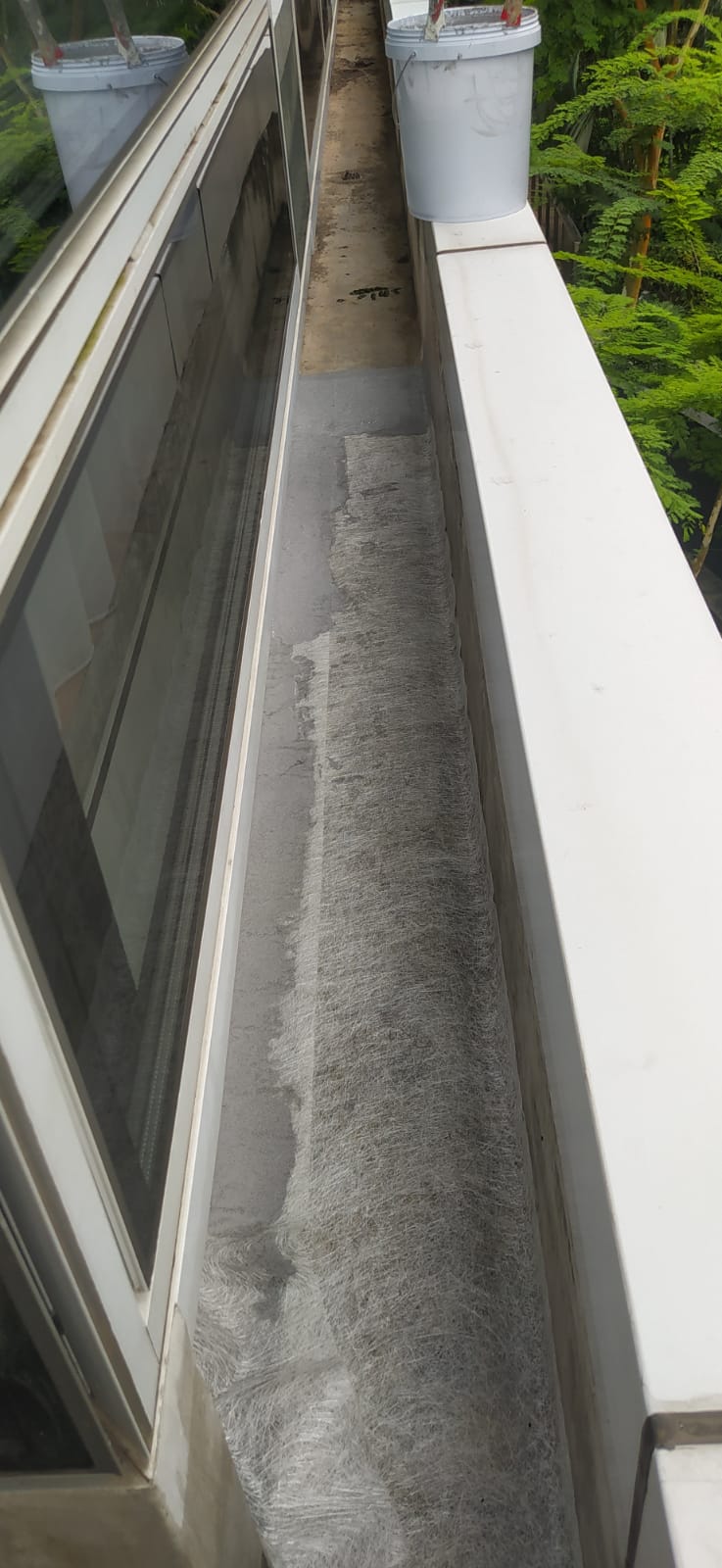
A liquid-applied elastomeric coating that cures into a seamless, flexible film. This is the workhorse for exposed roofs, gutters, balconies and terraces.
Strengths
- Highly elastic — bridges hairline cracks and accommodates movement
- Seamless, with no laps or joints to fail
- Handles complex geometry, upstands and penetrations well
- Good UV-resistant grades available for exposed use
- Can often be recoated over itself at renewal
Limits
- Sensitive to a damp substrate during application
- Thickness depends on applicator discipline — thin spots fail first
- Needs correct priming for the substrate
- More expensive per square metre than cementitious
- Some grades chalk under prolonged direct sun
Do not confuse a PU membrane with PU injection grout. The membrane is a surface coating applied before finishes; injection grout is a resin pumped into a crack in existing structure to seal it from within.
Acrylic
Water-based, single-component, roller-applied. Mostly used as an exposed roof or external wall coating where the priority is UV reflectance and breathability rather than holding standing water.
Strengths
- Easy and quick to apply, low odour
- Good UV stability and solar reflectance
- Breathable — lets substrate moisture escape
- Economical over large façade areas
- Straightforward to recoat
Limits
- Not suitable for ponding water
- Lower film build and durability than PU
- Cannot be buried under tiles or screed
- Shorter service life in the tropics
- Modest crack-bridging
Torch-on bituminous sheet
Rolls of modified bitumen membrane heat-welded to the substrate and lapped. Typically used on flat concrete roofs, podium decks and buried applications.
Strengths
- Consistent, factory-controlled thickness
- Very robust once installed
- Long track record on flat roofs and decks
- Handles buried and heavily loaded applications
- Good puncture resistance
Limits
- Laps and terminations are the failure points
- Requires open flame and skilled applicators
- Awkward around complex details and small areas
- Needs protection or a screed over it if trafficked
- Difficult to locate a leak once buried
Matching the system to the job
Bathroom / kitchen floor
Cementitious under tiles, with a proper upturn and detailing around the floor trap and stack.
Exposed flat roof or terrace
PU liquid membrane, or torch-on sheet where the deck is large and simple.
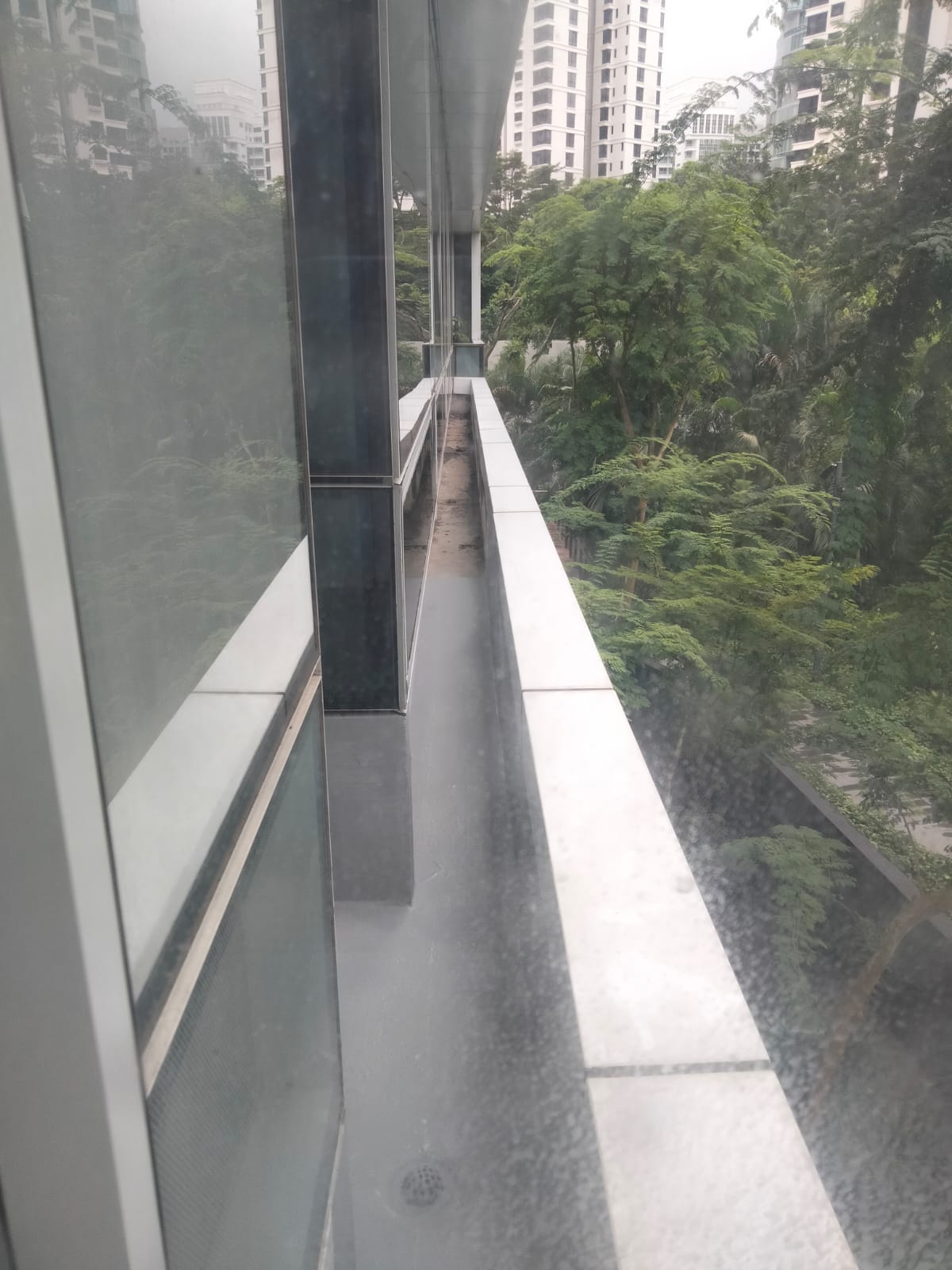
Gutters and parapets
PU — seamless coverage matters more than anything else on this geometry.
Planter box
Cementitious internally with a protection layer, plus proper drainage. The drainage is half the system.
External wall / façade
Elastomeric acrylic coating over repaired cracks, for UV and rain resistance with breathability.
Existing crack, no hacking
Not a membrane job at all — injection from within.
The part that matters more than the product
Across every one of these systems, the same three things determine whether it lasts:
- Substrate preparation. Clean, sound, correctly dry or damp as the product requires, with cracks treated first.
- Detailing. Upturns, corners, pipe penetrations, drain collars and terminations. Membranes almost never fail in the middle of a flat area.
- Film thickness and coverage. Applied at the specified rate, in the specified number of coats, with reinforcement where the manufacturer calls for it.
A cheap membrane installed carefully outlives an expensive one installed carelessly. When comparing quotes, compare the preparation and detailing scope, not just the product name.
Frequently asked
Which waterproofing membrane is best for a bathroom?
A cementitious membrane is the usual choice for internal wet area floors, because it bonds permanently to concrete and screed and tiles can be laid directly onto it. What matters more than the product is the detailing: the upturn against walls, the treatment around the floor trap, and the seal around the sanitary stack.
What is the difference between PU membrane and PU injection?
A PU membrane is a liquid-applied elastomeric coating that forms a seamless flexible film across a surface before finishes go on. PU injection grout is a resin pumped under pressure into an existing crack, where it expands and seals from within. One is preventive, applied to a new surface; the other is remedial, applied to a structure that is already leaking.
How long does a waterproofing membrane last?
It depends far more on exposure and workmanship than on the product family. UV exposure, ponding water, thermal movement and foot traffic all shorten life; good substrate preparation, correct film thickness and careful detailing extend it. Buried systems in stable conditions last longest, exposed coatings on a moving substrate the least.
Keep reading
The 24-Hour Water Ponding Test: How Waterproofing Is Actually Proven
SS 637 extended the ponding test to 24 hours. What it involves, what a dye trace adds, and what it cannot rule out.
MaintenanceWhy Balcony and Planter Boxes Leak — and How to Stop It
Planters hold wet soil against your structure all year. The details that decide whether a repair lasts.