Waterproofing Without Hacking: When It Works and When It Doesn’t
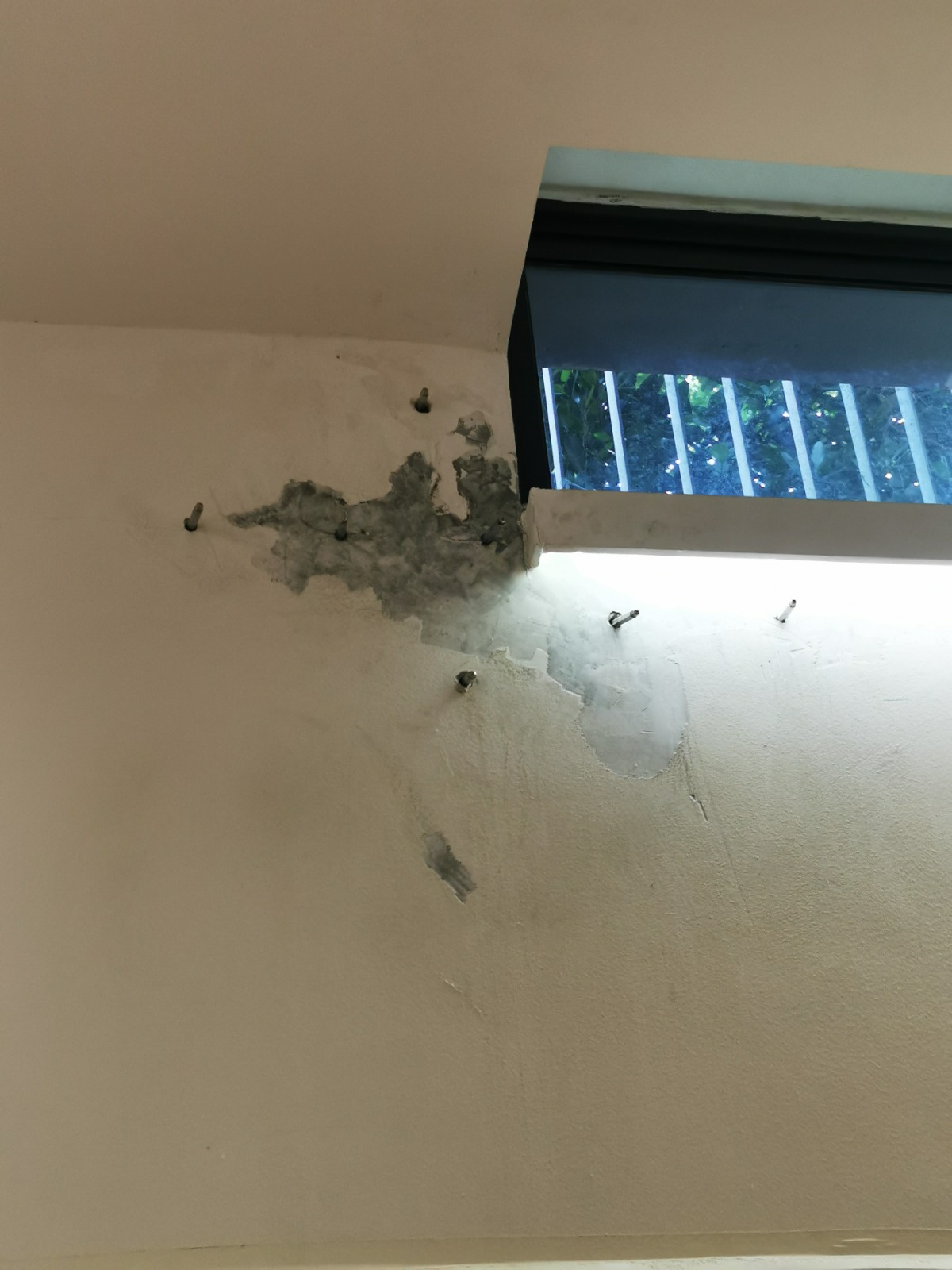
“No hacking” is one of the most searched phrases in Singapore waterproofing — and for good reason. Hacking is dusty, noisy and expensive. The good news is that modern methods often avoid it. The honest news is that they are not a fix for every situation.
When you can skip the hacking
- The structural slab beneath the tiles is sound.
- The leak is through grout, silicone or a single crack rather than a fully failed membrane.
- The tiles are well-bonded and not lifting.
In these cases a surface-applied membrane, transparent waterproof coating, or targeted PU injection can restore protection while leaving most of your finishes intact.
When hacking is genuinely needed
- The original membrane has broken down across the whole floor.
- Tiles are hollow, lifting or sitting on saturated screed.
- The falls are wrong and water ponds instead of draining.
The right answer comes from diagnosis, not a sales script. A contractor who insists on full hacking before inspecting is guessing — or upselling.
Our promise is simple: we recommend the least-destructive method that will actually last, and we explain why. Sometimes that is a no-hack overlay; sometimes honesty means telling you the bigger job is the only one that will hold.
All guidesKeep reading
Why Your HDB Bathroom Leaks to the Room Below — and How to Fix It Properly
Damp ceilings and bubbling paint below a bathroom almost always trace back to one of four failures. Here is how to tell them apart.
Property & MCSTCeiling Leak in a Condo: Who Is Responsible and What to Do First
When water comes through your condo ceiling from the unit above, who pays? Here is how inter-floor leak responsibility generally works in Singapore.